







- Features
- Specifications
- Manuals
- Reviews
- Troubleshooting
Features
Powerful Through-the-Wall Cooling
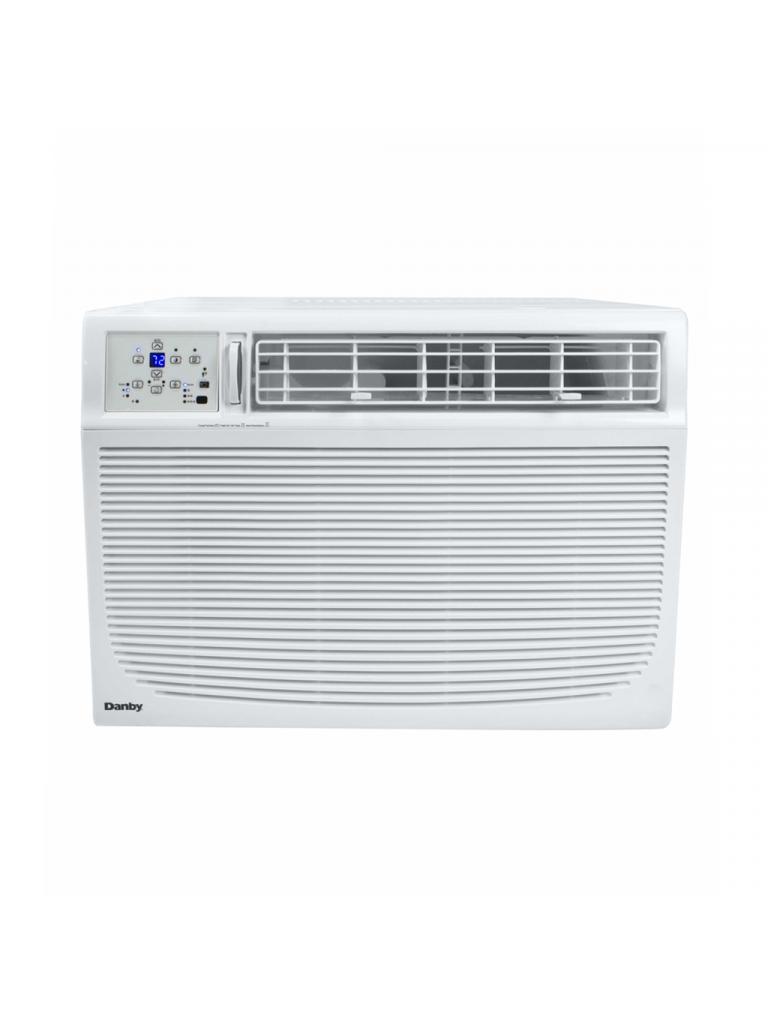
This 12,000 BTU unit effectively cools spaces up to 550 square feet. It is ideal for rooms without windows or for those who prefer not to block a window with a traditional window air conditioner.
Energy Efficient Performance
ENERGY STAR compliance and the Energy Saver switch help reduce electricity consumption. Combined with R32 refrigerant, this unit delivers reliable cooling while keeping operating costs lower.
Convenient Controls
Electronic controls with LED display and remote let you easily adjust temperature, fan speed, and modes. Features like the 24-hour timer, sleep mode, and auto restart provide hassle-free comfort day and night.
Specifications
-
Product Width24.2 " (61.47 cm)
-
Product Depth20.3 " (51.56 cm)
-
Product Height14.5 " (36.83 cm)
-
Product Weight76.9 lbs (34.88 kg)
-
Packaged Width28.3 " (71.88 cm)
-
Packaged Depth26.9 " (68.33 cm)
-
Packaged Height16.9 " (42.93 cm)
-
Packaged Weight85 lbs (38.56 kg)
Downloads
 Product Specifications
 Manuals
Reviews
Troubleshooting
Why Is My Air Conditioner Leaking?
If your air conditioner is leaking water, here’s how to troubleshoot:
- Check for a Clogged Condensate Drain Line
Locate the drain line (usually a PVC pipe near your indoor unit). Use a wet/dry vacuum to suction out the clog from the outside drain line. You can also flush the line with a mixture of vinegar and water to help clear minor blockages. - Inspect the Drain Pan
Located under the evaporator coil, carefully inspect the pan for damage or standing water. If you spot a crack, you may be able to patch it temporarily with waterproof sealant, but a replacement is best for a long-term fix. - Clean or Replace Dirty Air Filters
Check your air filter and replace it if it’s dirty or clogged. We recommend changing or cleaning your filter every 1–3 months. - Check for Blocked or Disconnected Drain Lines
Sometimes, the drain line can become disconnected or blocked by debris at its exit point. Ensure the line is securely attached and clear at both ends. - Look for Frozen Coils
If you see ice on your AC unit, turn it off and let it thaw. Frozen coils can cause excess water to leak when they melt, often due to airflow issues or low refrigerant.
Why Is My Air Conditioner Not Blowing Cold Air?
If your air conditioner is running but not blowing cold air, here are several troubleshooting steps you can try:
- Check Your Thermostat Settings
Make sure your thermostat is set to ‘Cool’ and not ‘Fan’. If it’s set to ‘Fan’, the AC will only circulate air without cooling it. Double-check that the temperature is set lower than the current room temperature. - Inspect and Replace the Air Filter
A dirty or clogged air filter is one of the most frequent causes of weak or warm airflow. If you can’t see through the filter, it’s time to clean or replace it. Most filters should be changed or cleaned every 2–3 months, or more often if you have pets. - Ensure Vents and Registers
Are Open and Unblocked: Check that all supply and return vents are open and not obstructed by furniture, rugs, or curtains. Blocked vents can restrict airflow and reduce cooling efficiency. - Check the Outdoor Unit
Go outside and inspect the condenser unit. Clear away any leaves, dirt, or debris that may be blocking airflow. Ensure the unit has at least two feet of clearance on all sides. - Look for a Clogged Condensation Drain
Sometimes, a blocked condensation drain line can cause your AC to stop cooling. Locate the drain line (usually a white PVC pipe near the indoor unit) and check for visible clogs. You can use a wet/dry shop vacuum to try and clear any blockage. - Check for Ice on the Coils
If you see ice buildup on the indoor or outdoor coils, turn off the AC and switch the fan to ‘On’ to help melt the ice. Ice can be caused by restricted airflow (dirty filter, blocked vents) or low refrigerant, which requires professional service. - Power Supply and Breakers
Make sure your AC is plugged in and check your home’s circuit breaker panel for any tripped breakers or blown fuses. Reset if necessary.
If you’ve tried all these steps and your AC still isn’t blowing cold air, it’s best to contact professional technician for repair.
Why Is My Heater Shutting Off?
If your heater keeps shutting off unexpectedly, there are a few common steps you can try to fix the problem:
- Check if the Air Filter is Dirty or Clogged
A clogged air filter is one of the most common causes for a heater shutting off. When airflow is restricted, the system can overheat and trigger a safety shut-off. Check your filter and replace it if it looks dirty or hasn’t been changed in a while. - Check the Thermostat
If your thermostat isn’t calibrated correctly, it might signal your heater to turn off too soon. Make sure your thermostat is set to ‘heat’, and not just ‘fan’, and the temperature is above the current room temperature.