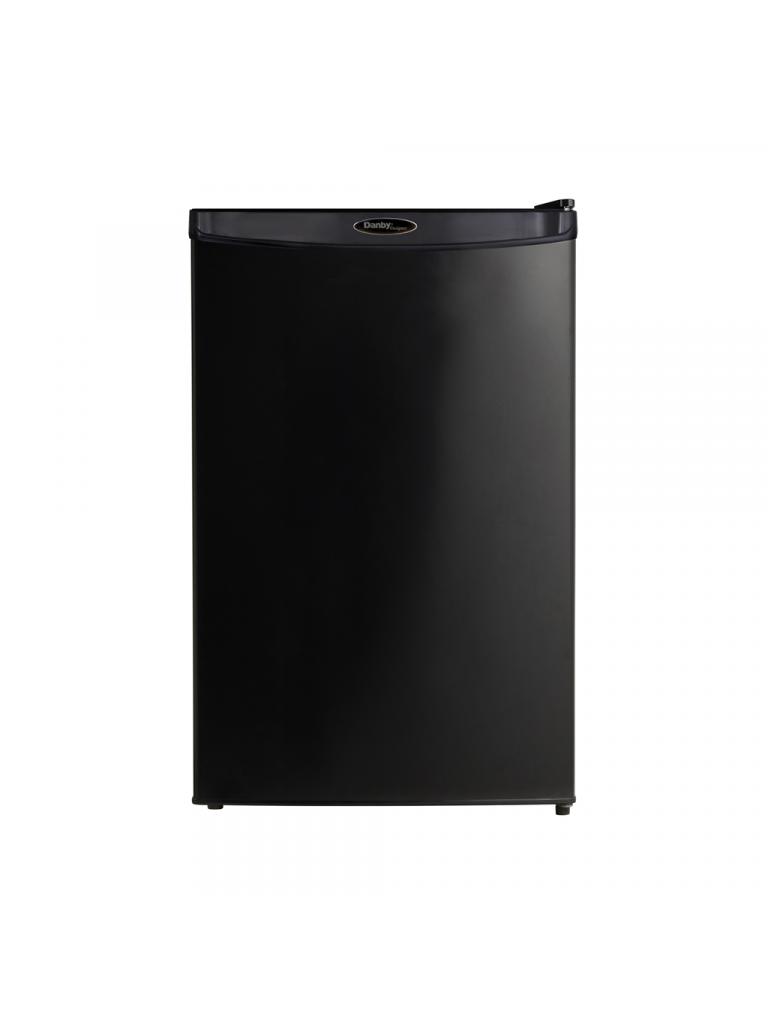






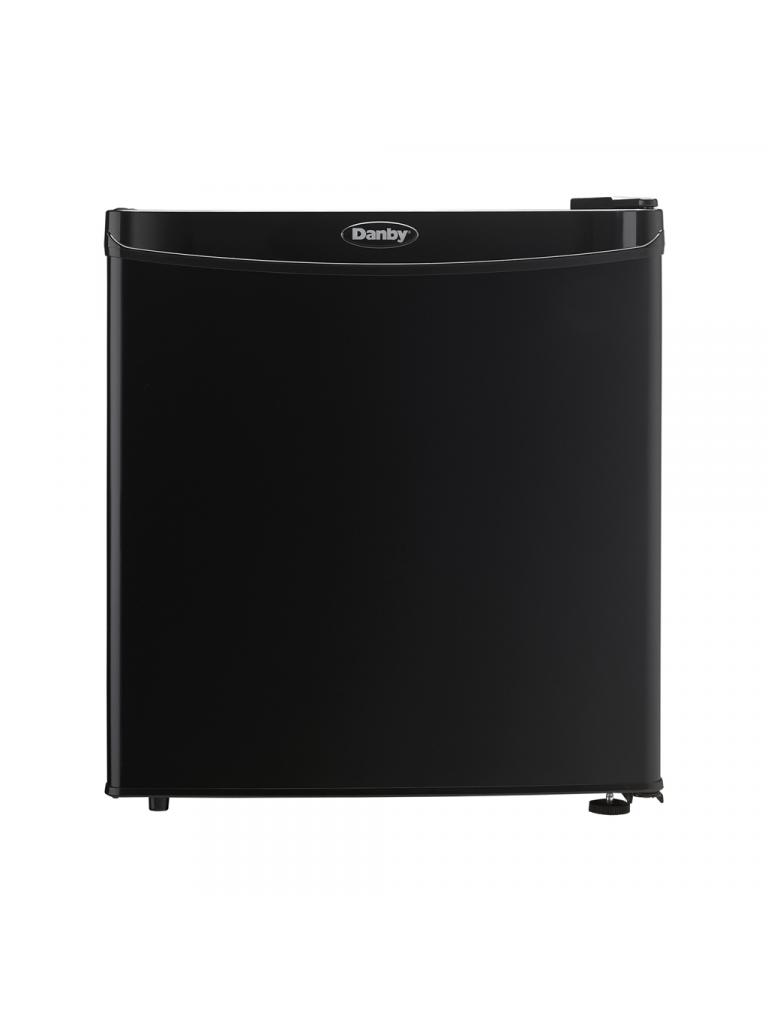
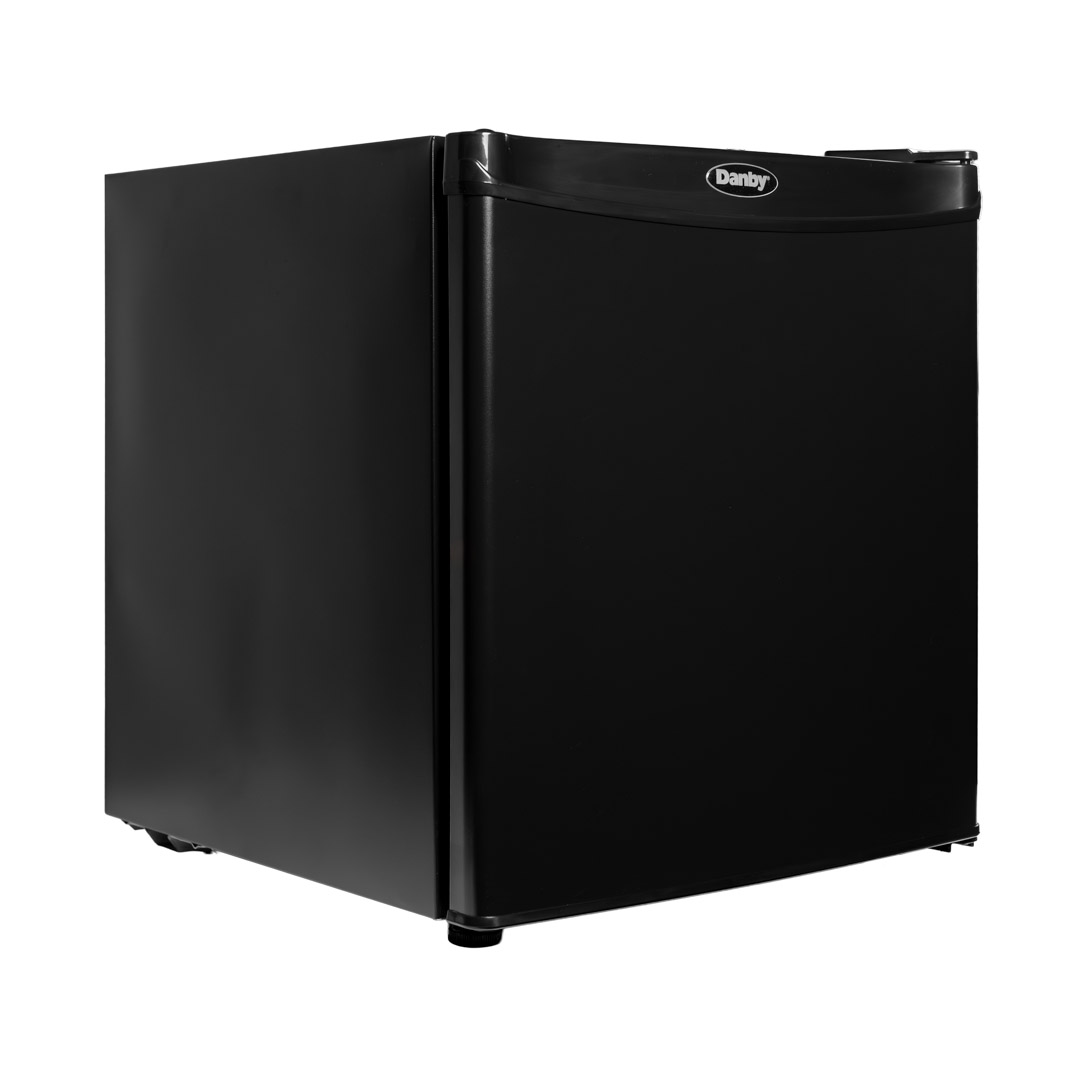

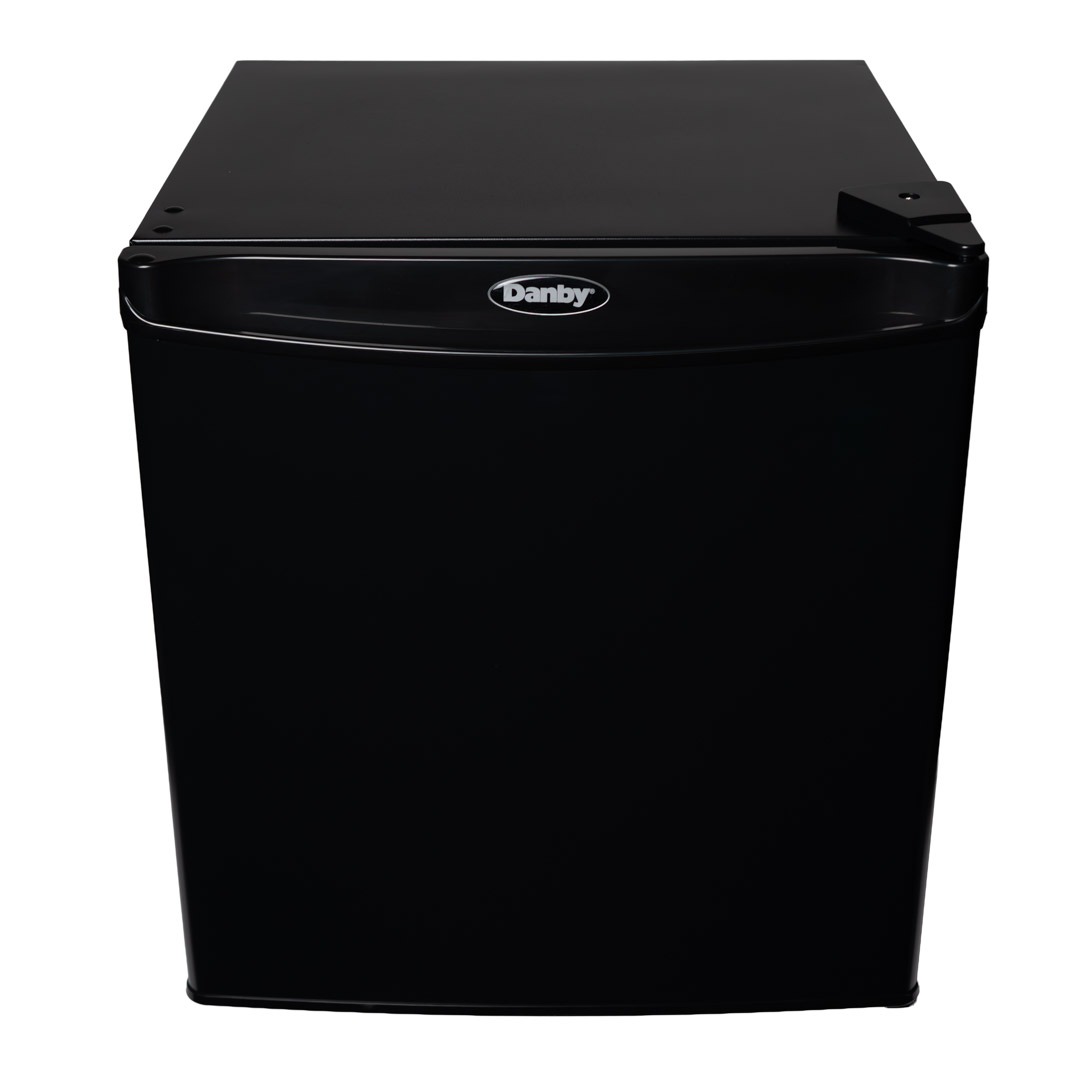
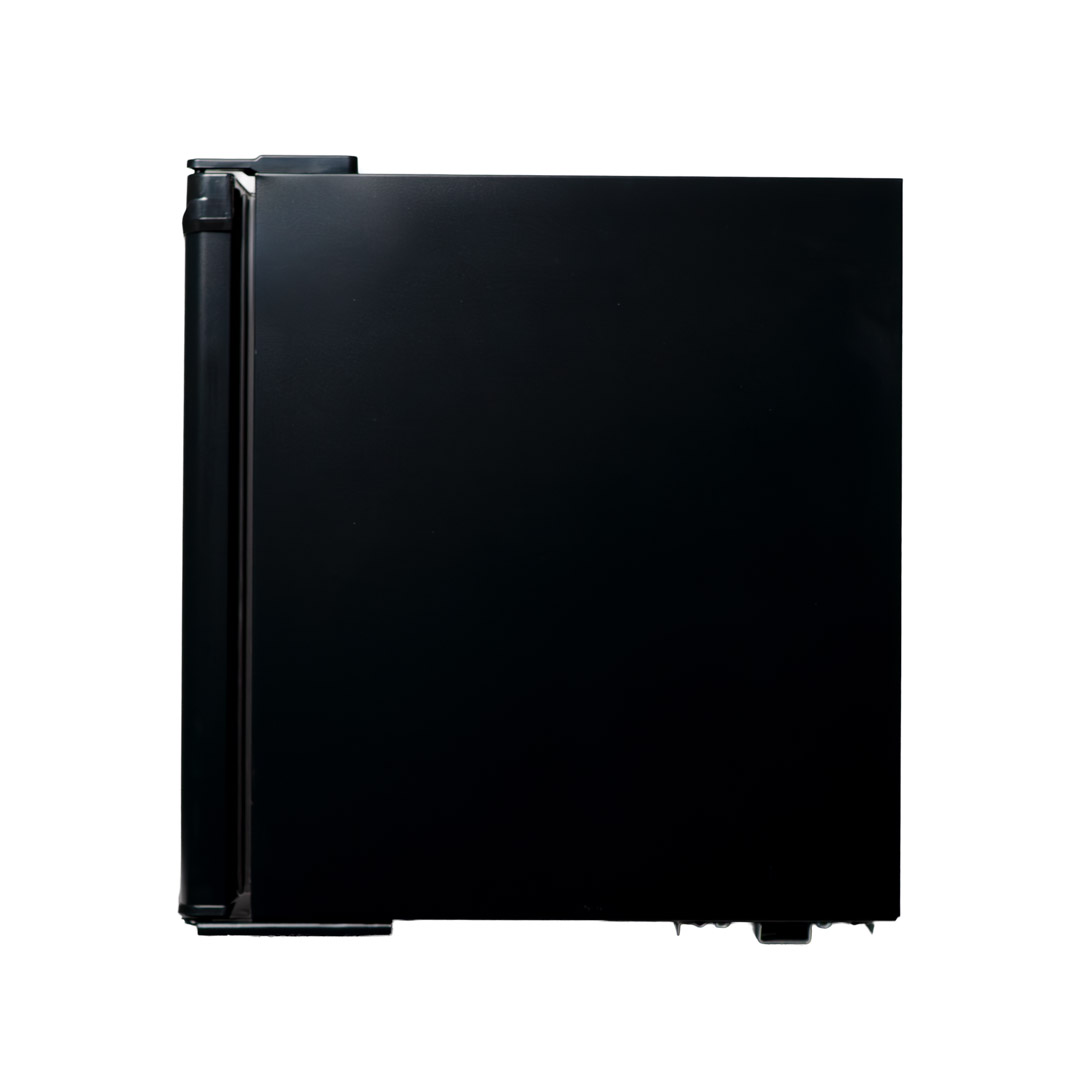
Réfrigérateur compact Danby 1,6 pi³ en noir
DCR016A3BDB
- 1.6 cu. ft. (45 L) Capacity Compact Refrigerator
- Certifié ENERGY STAR®, économe en énergie pour vous aider à économiser de l'argent sans sacrifier les performances
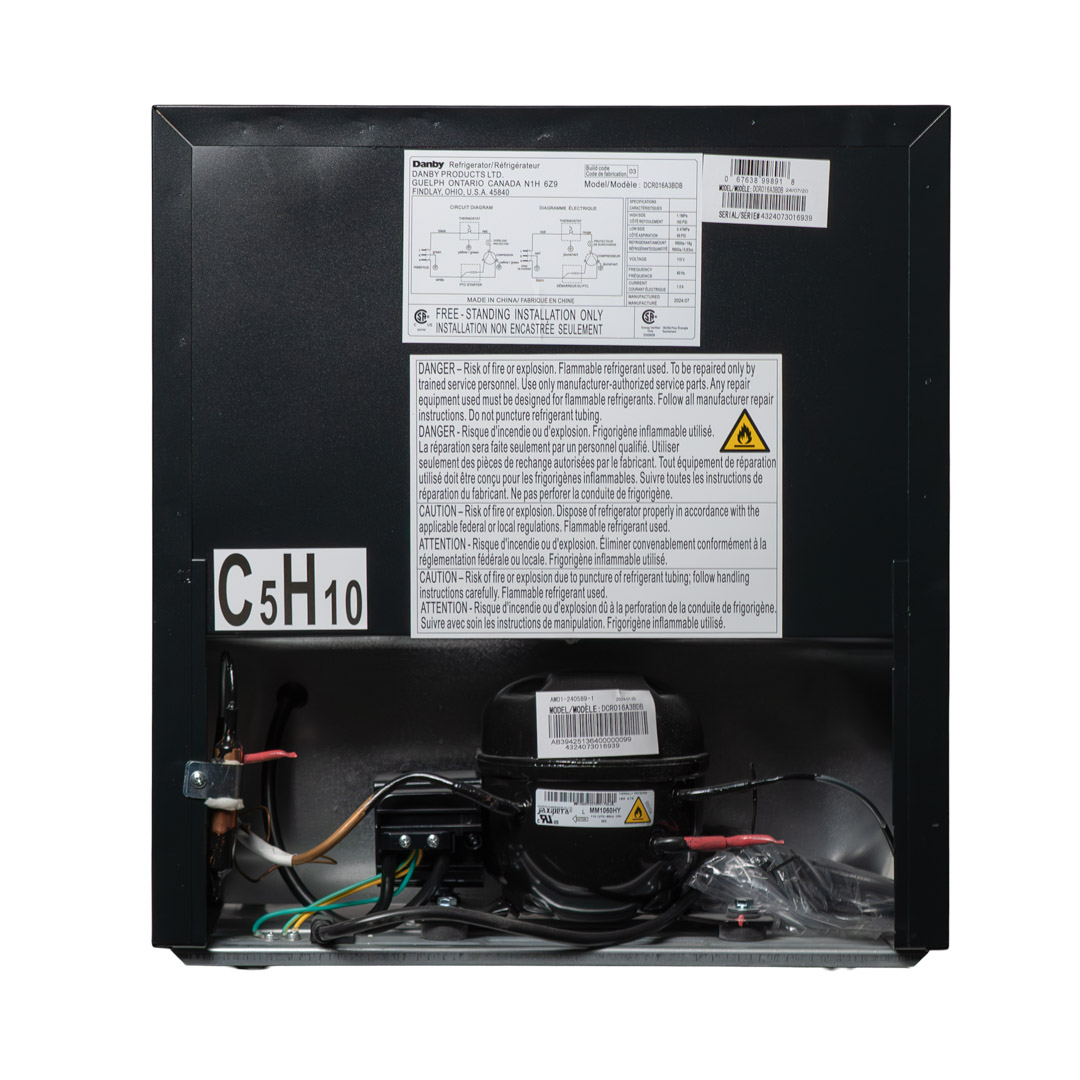
- Réfrigérant R600a
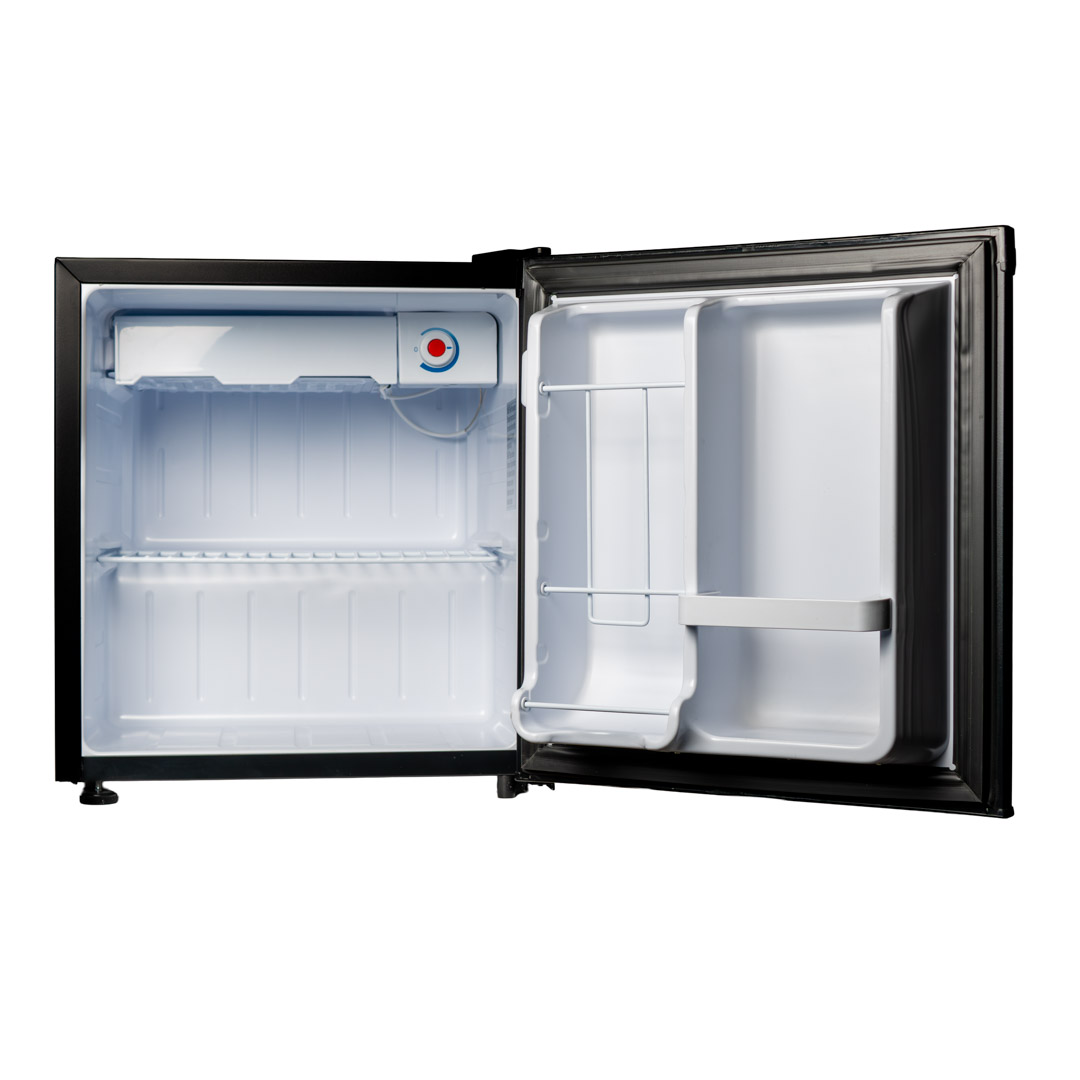
- Semi-automatic defrost
- Full-width freezer section
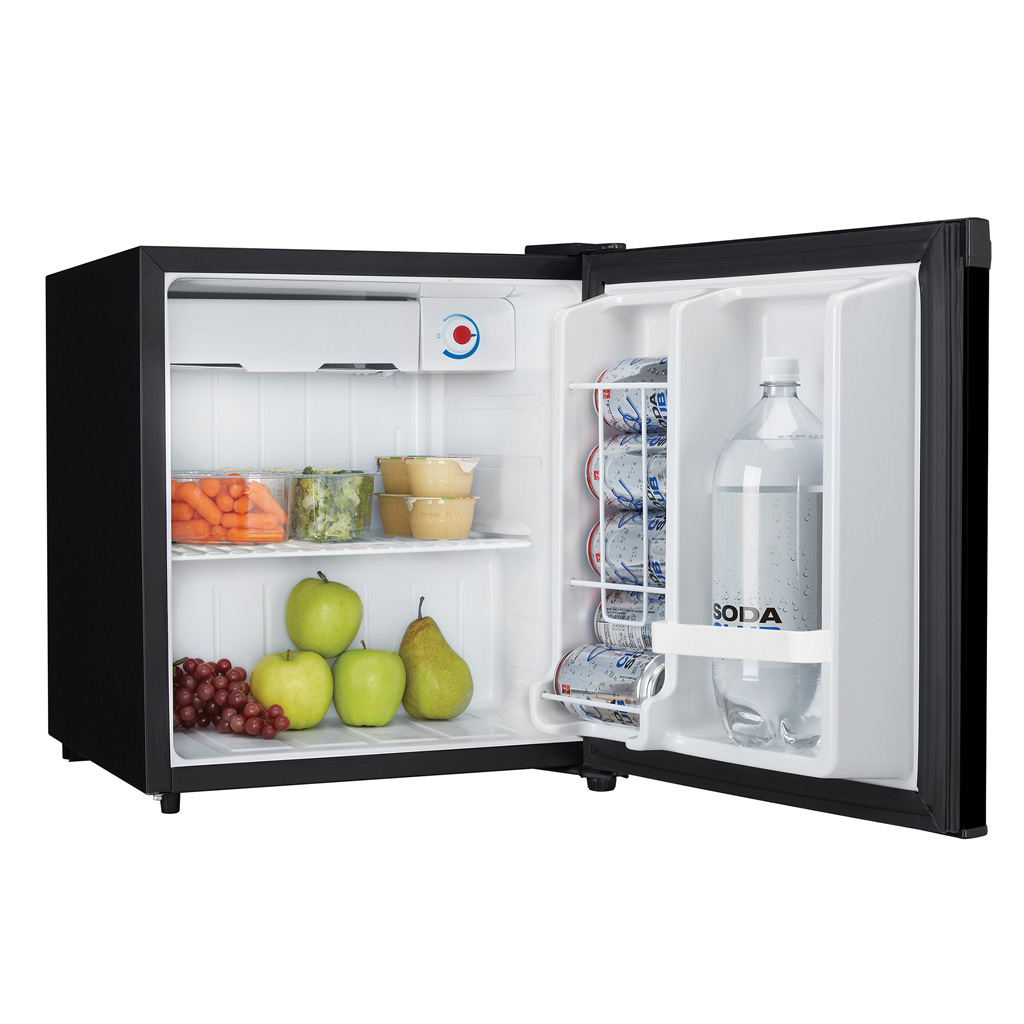
- 1 – 1/2 width removable wire shelf for maximum storage versatility
- Tall bottle storage – great for large soda bottles
- Distributeur de boissons CanStor®
- Thermostat mécanique
- Poignée de porte intégrée
- Reversible door hinge for left or right handed opening
- Dos lisse
- Spécifications
- Manuels
- Critiques
- Troubleshooting
Spécifications
-
Largeur du produit17.7 " (44.96 cm)
-
Profondeur du produit18.5 " (46.99 cm)
-
Hauteur du produit19.7 " (50.04 cm)
-
Poids du produit37 lbs (16.78 kg)
-
Largeur avec emballage18.1 " (45.97 cm)
-
Profondeur emballée19.7 " (50.04 cm)
-
Hauteur emballée20.8 " (52.83 cm)
-
Poids emballé40.5 lbs (18.37 kg)
Téléchargements
 Spécifications des produits
 Manuels
Critiques
Troubleshooting
Why Is My Refrigerator Is Cycling (compressor is turning on) Too Often?
If your refrigerator’s compressor is running more frequently than usual, try these troubleshooting steps:
- Clean the Condenser Coils: Dirt or dust buildup on the condenser coils can make your fridge work harder, causing the compressor to cycle more often. Unplug your refrigerator and gently clean the coils at the back (or underneath) with a cloth.
- Check the Thermostat Setting: If the thermostat is set too low (colder than 3-5°C or 37-41°F), the fridge will run more frequently to maintain that temperature. Try adjusting the thermostat to a slightly warmer setting, up to 5°C (41°F).
If the compressor continues to cycle too often after these steps, there may be another issue that requires a professional technician’s attention. (the words ‘professional technician’ links to the Service page)
Why Is My Refrigerator Not Cooling Properly?
If your fridge isn’t keeping things cold, try these steps:
- Check Temperature Settings: Make sure the dial inside the fridge and freezer is set to the recommended level (usually mid-range). Check your owner’s manual for information.
- Airflow Matters: Don’t overload the shelves or block the air vents inside the fridge and freezer, as this can restrict airflow and reduce cooling.
- Door Seals: Inspect the door gaskets for cracks, gaps, or dirt. Clean them with warm, soapy water and ensure the doors close tightly.
- Location: Make sure the fridge isn’t placed too close to the wall. We recommend leaving a few inches for proper ventilation.
- Power Supply: Confirm the fridge is plugged in and the outlet is working. If the interior light doesn’t come on, check your circuit breaker.
If you’ve checked all these and the fridge still isn’t cooling, unplug it for a few minutes and plug it back in. Persistent issues may require a service call.