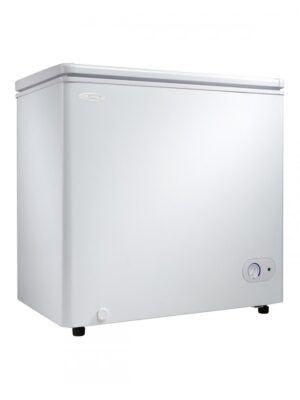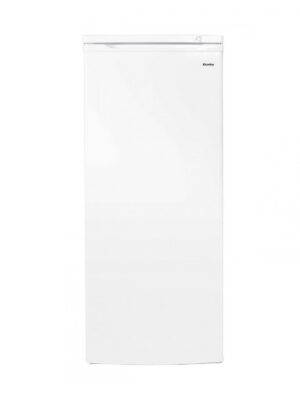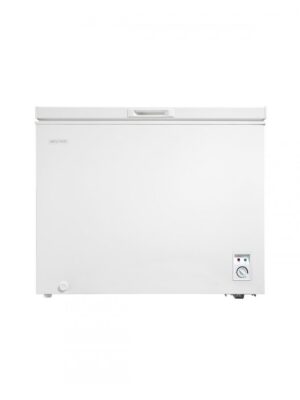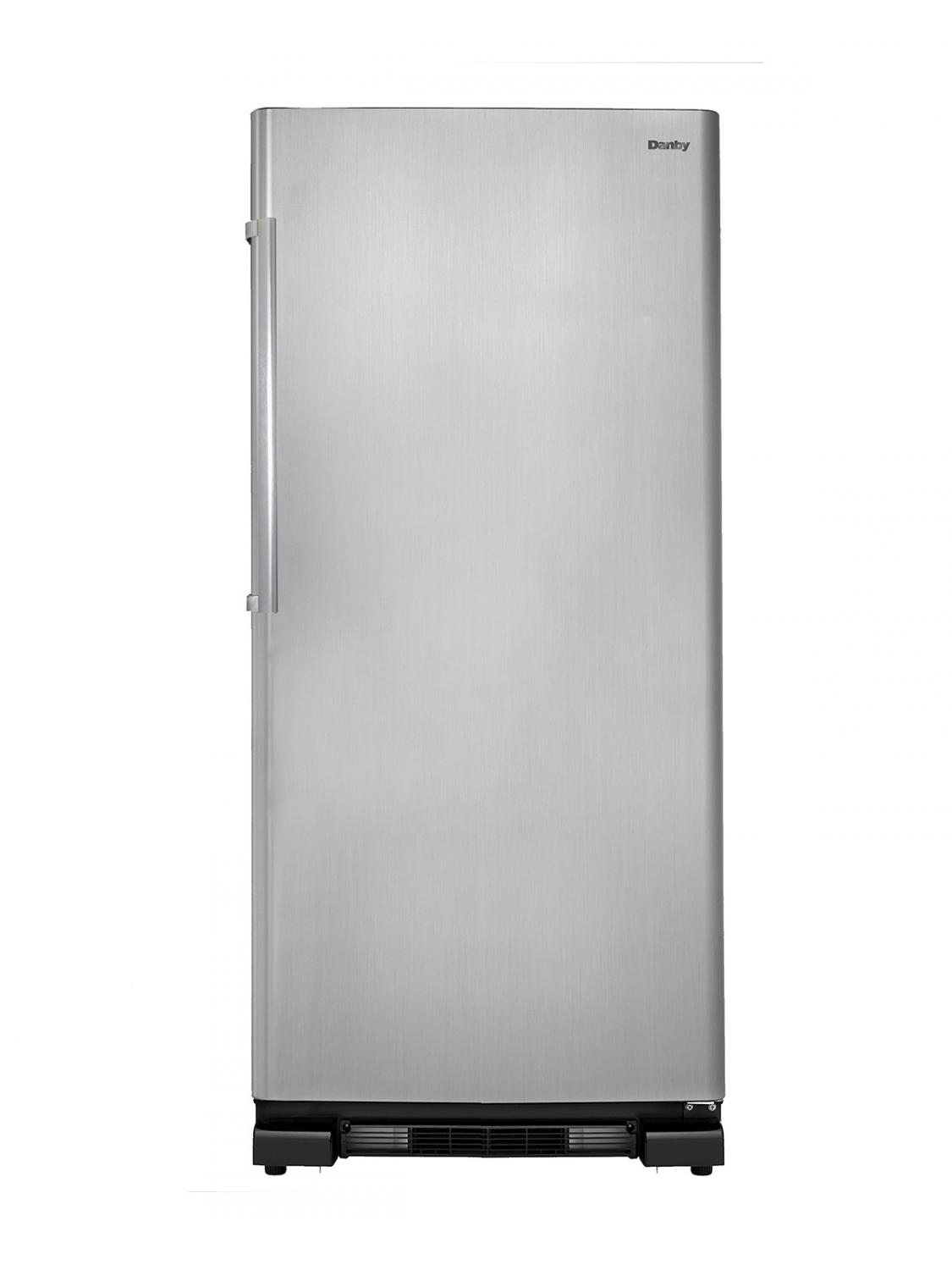






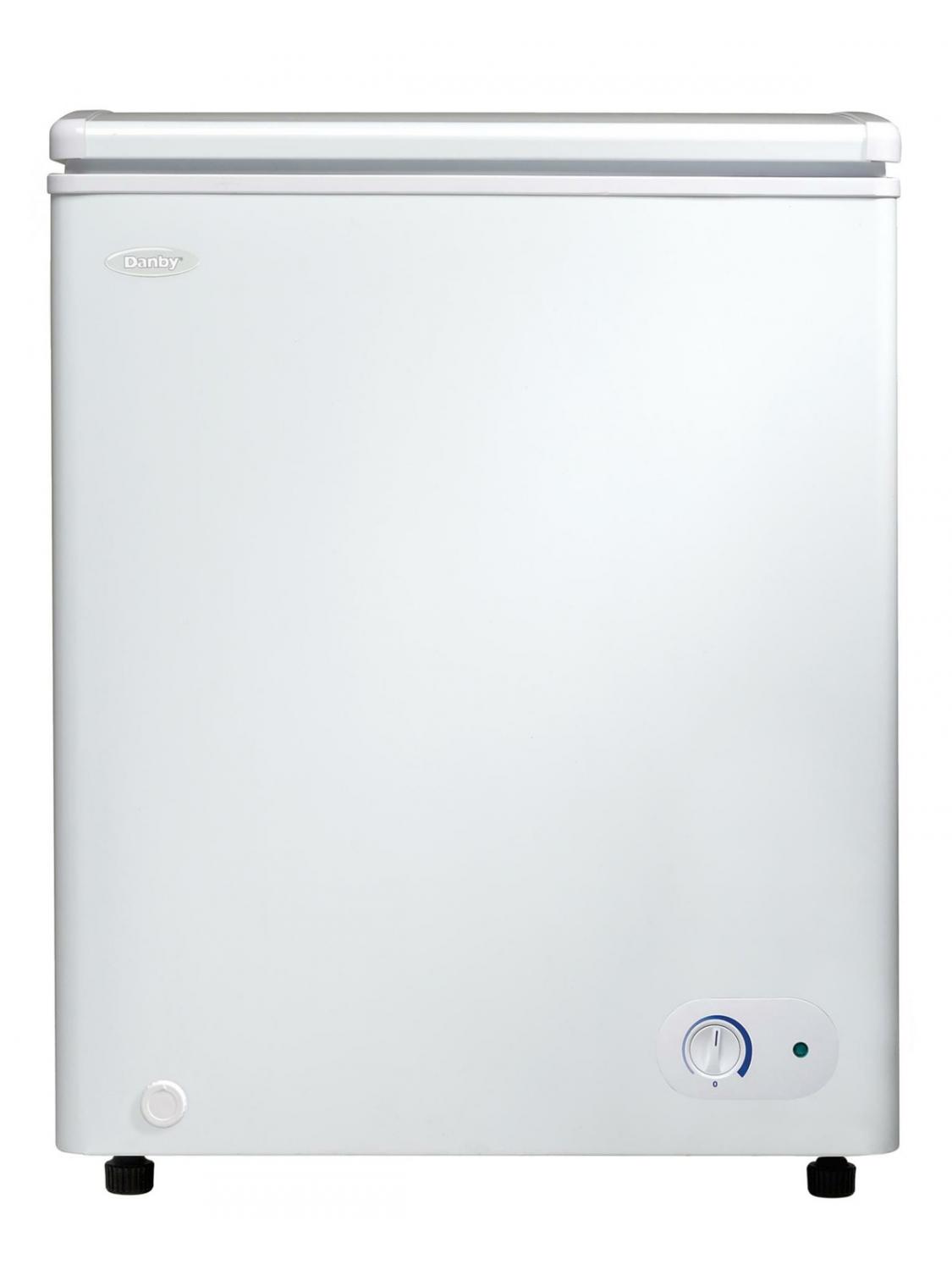
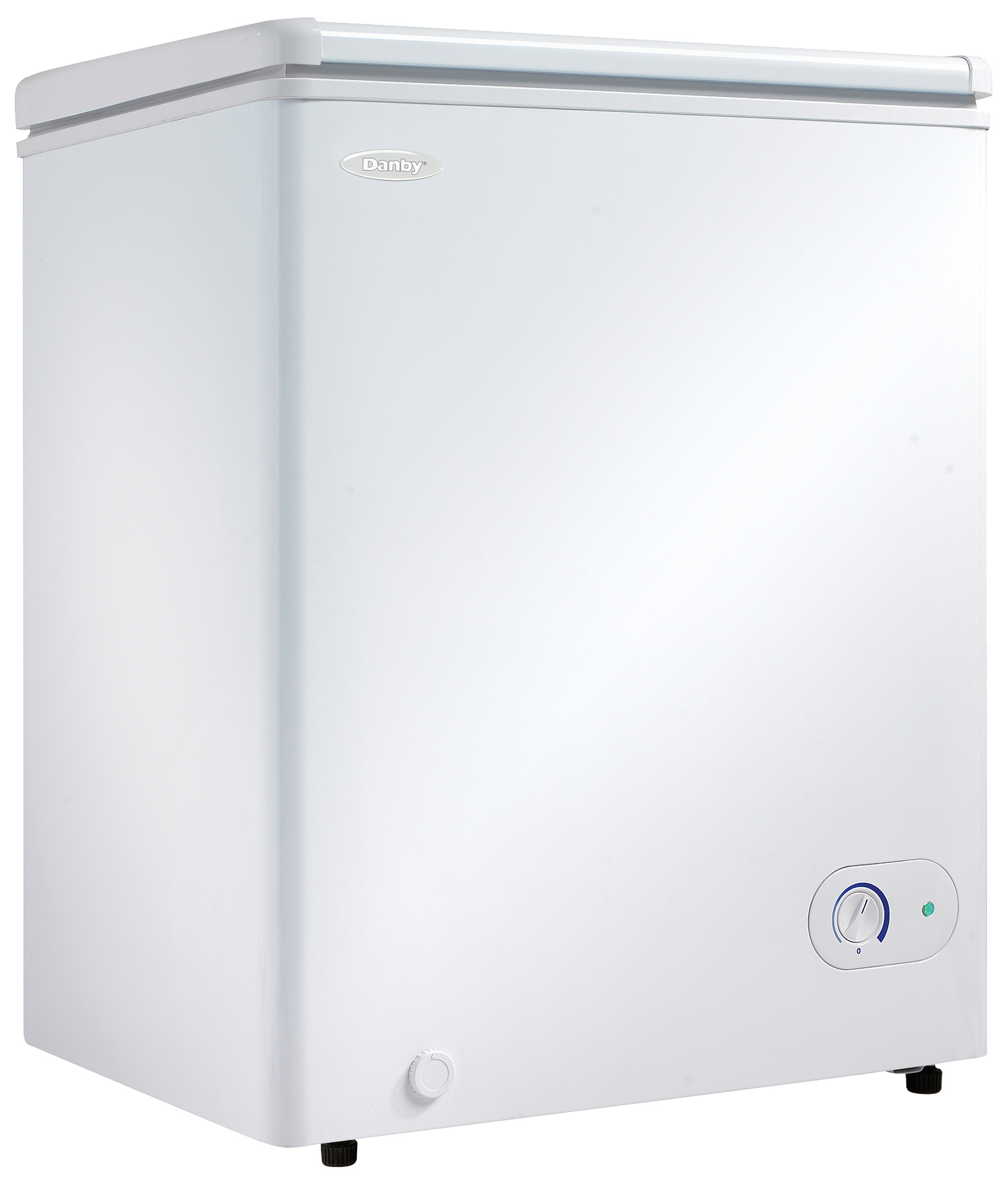
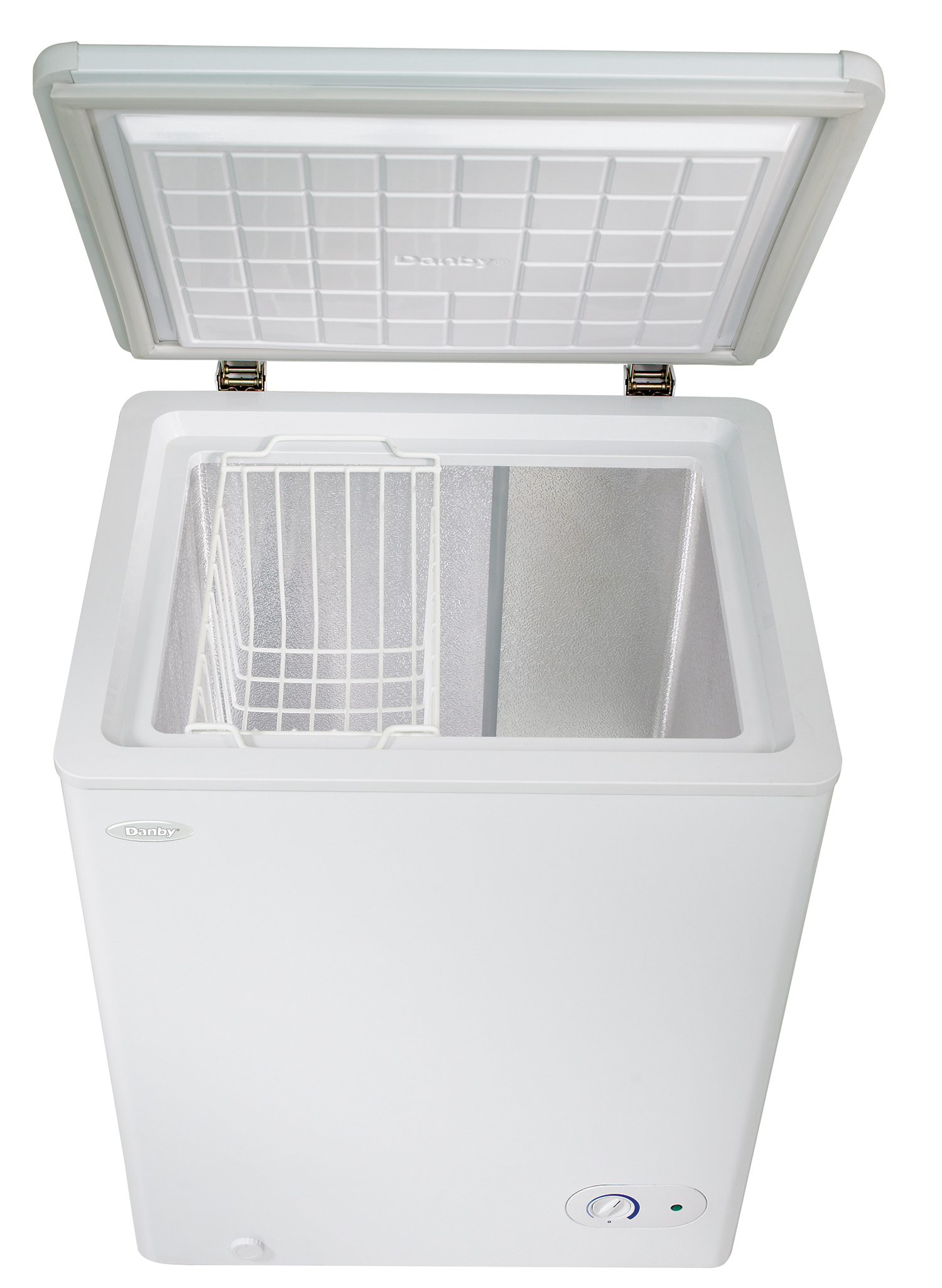
Danby 3.8 cu. ft. Chest Freezer in White
$459.99
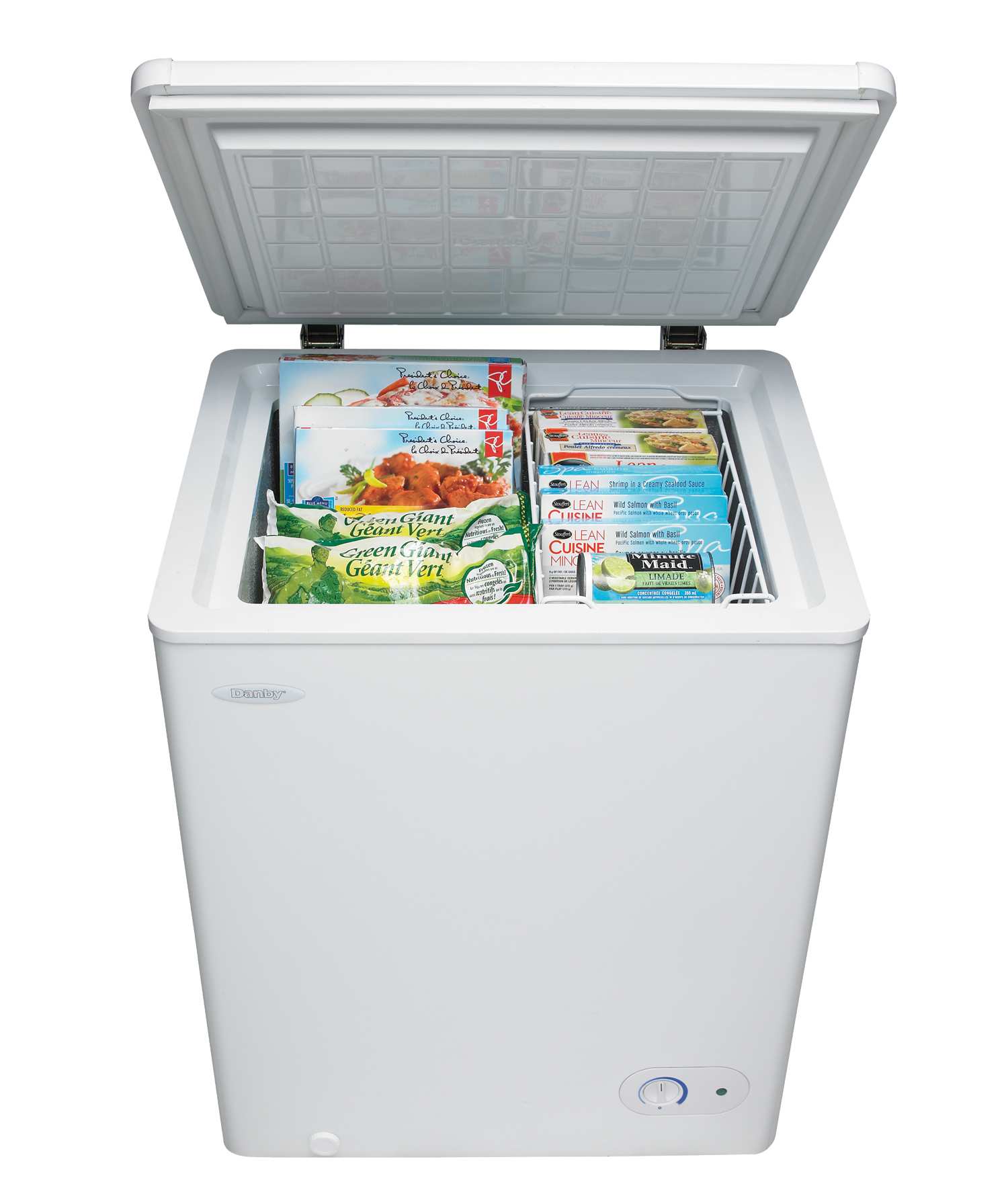
MSRP- 3.8 cu.ft (108 L) capacity chest freezer
- R600a refrigerant
- Garage ready: freezer can perform in temperatures from 0°F to 110°F (-17°C to 43°C)
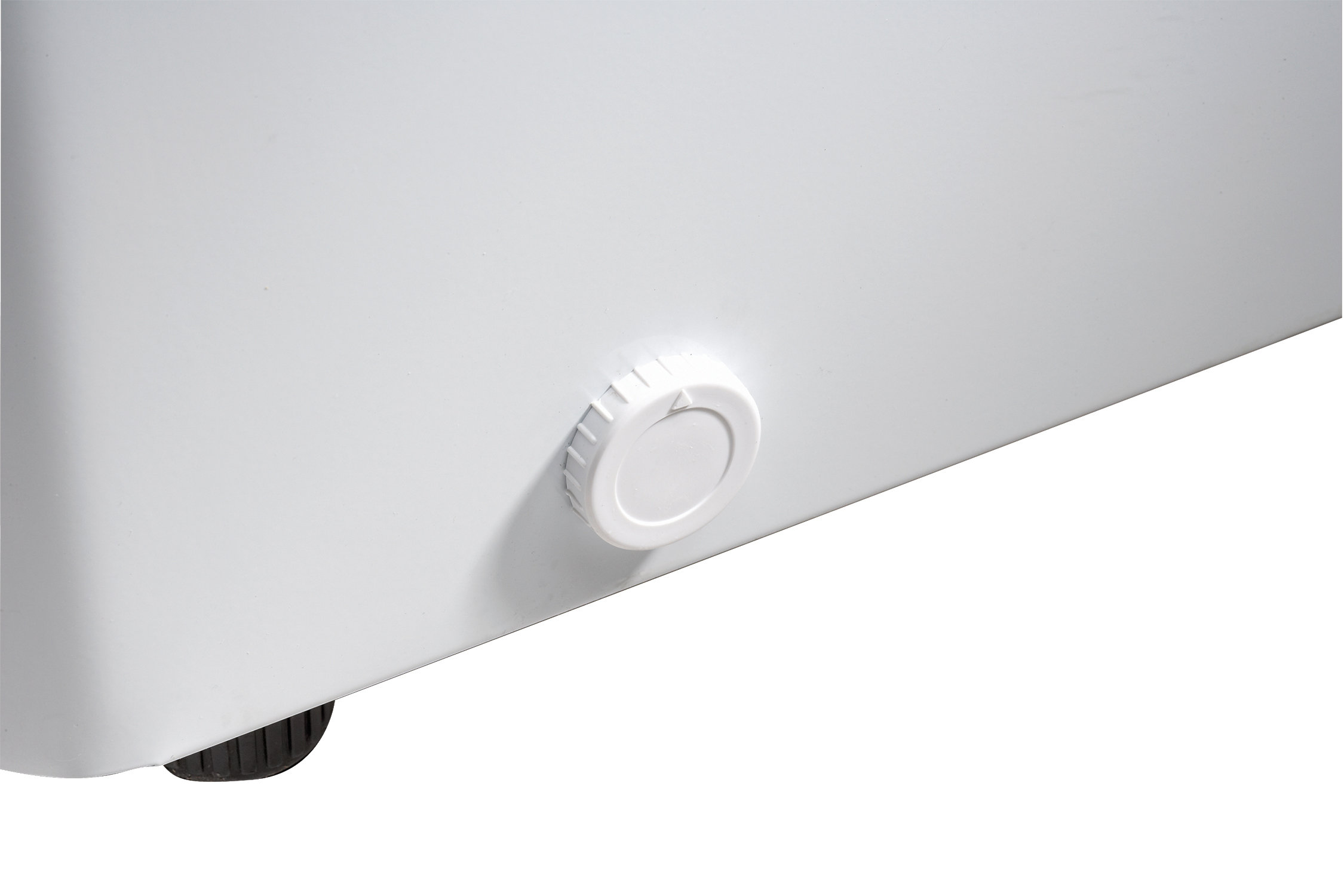
- Manual defrost with front mount defrost drain
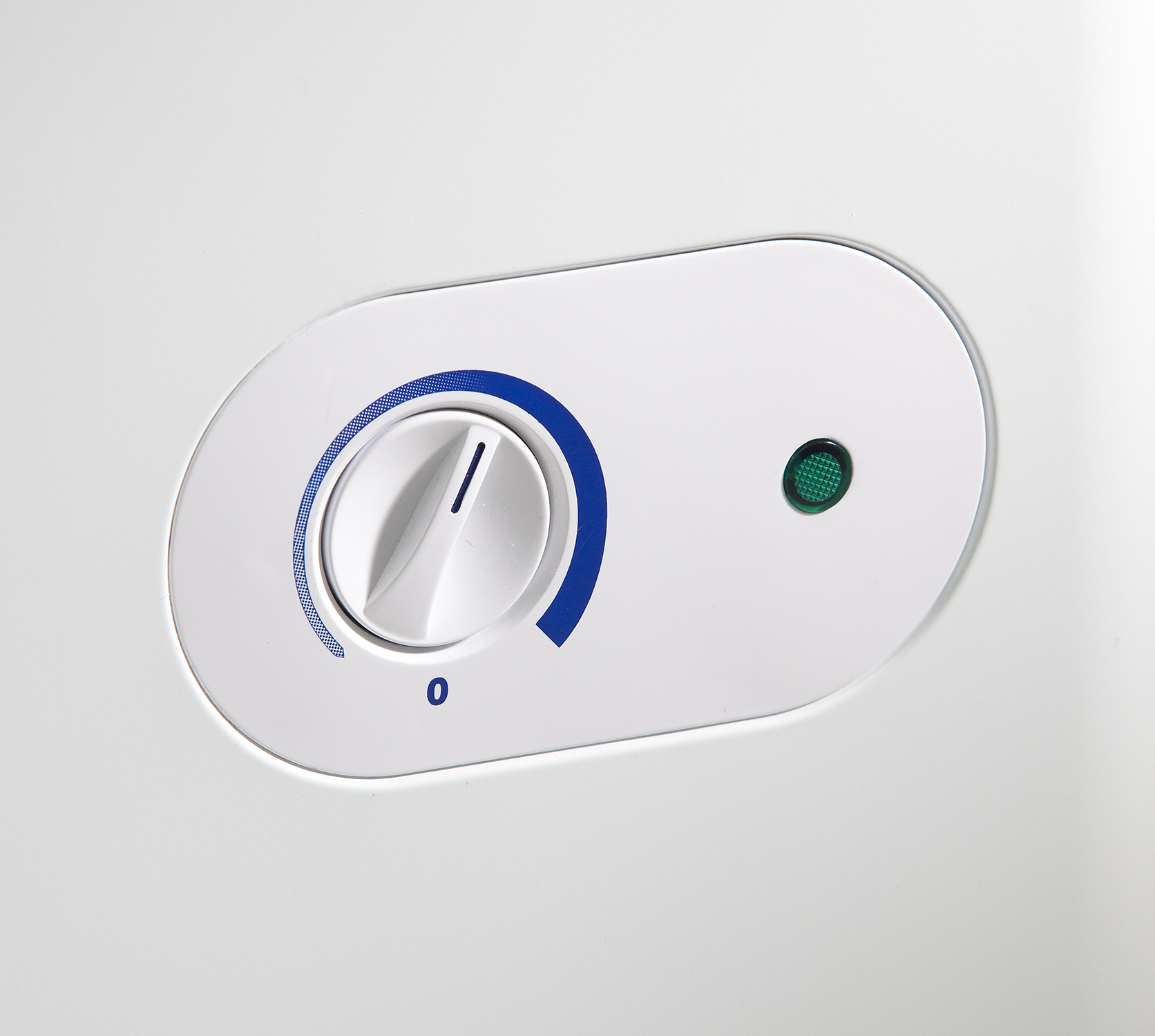
- Front mount mechanical thermostat with “power-on” indicator light
- Energy efficient foam insulated cabinet & lid
- Rounded lid design
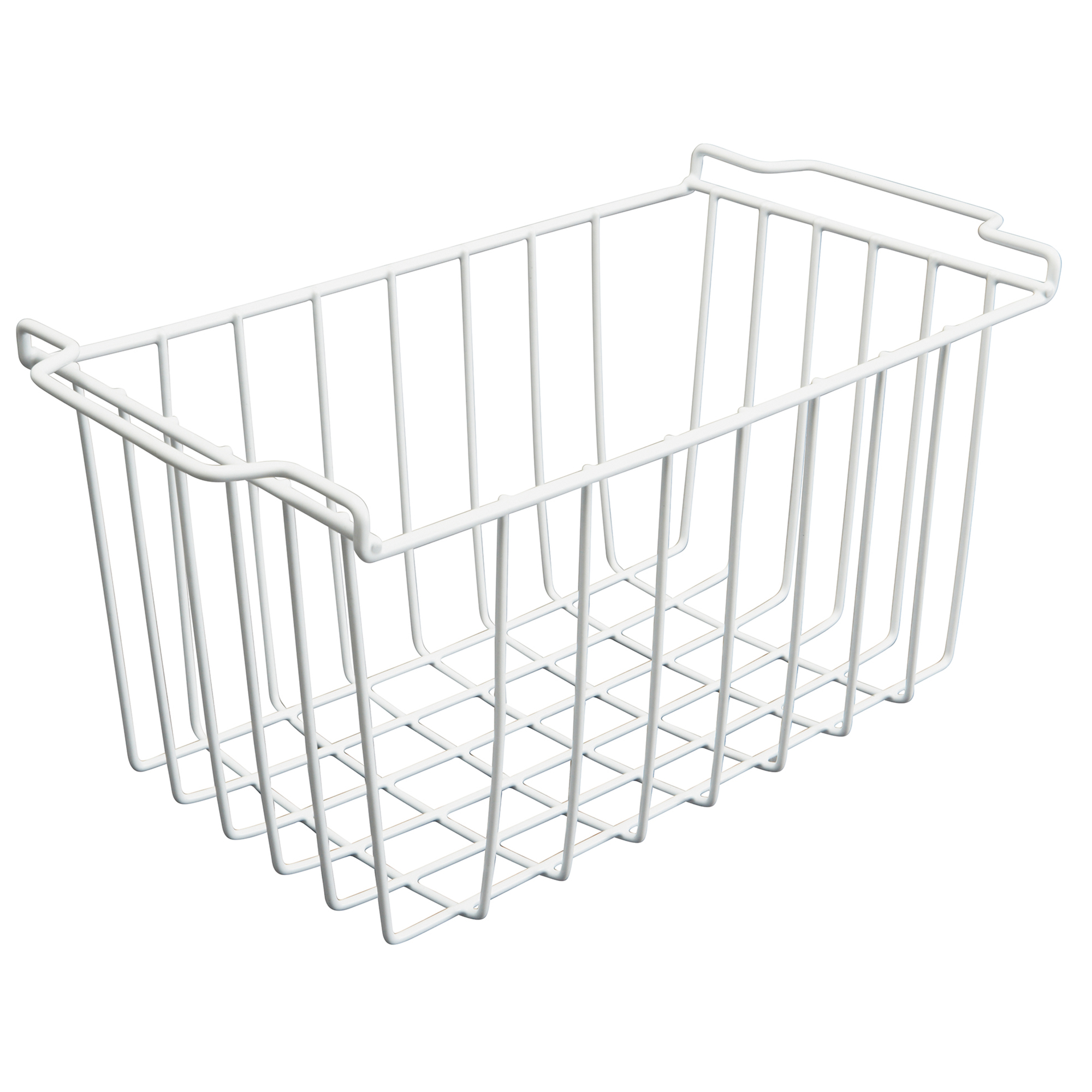
- 1 adjustable wire basket
- Maintains optimum freezing temperatures of -12ºC (10.4ºF) to -24ºC (-11.2ºF)
- Easy clean interior liner
- Industry-leading 5-year warranty on parts and labor with in-home service
In stock
- Specifications
- Manuals
- Reviews
- Troubleshooting
Specifications
-
Product Width24.9 " (63.25 cm)
-
Product Depth22.2 " (56.39 cm)
-
Product Height33.25 " (84.46 cm)
-
Product Weight62.9 lbs (28.53 kg)
-
Packaged Width25.6 " (65.02 cm)
-
Packaged Depth22.8 " (57.91 cm)
-
Packaged Height34.6 " (87.88 cm)
-
Packaged Weight71 lbs (32.21 kg)
Downloads
 Product Specifications
 Manuals
Reviews
Troubleshooting
Why Is My Freezer Leaking Water?
Water leaking from your freezer is often caused by ice buildup blocking the drain or door seal. Here’s how to troubleshoot:
- Check for Ice Buildup: Inspect the inside of your freezer for ice covering the drain hole or door gasket. Ice can block proper drainage and cause water to leak onto the floor.
- Defrost Your Freezer: Unplug the freezer and let it thaw naturally to melt any ice buildup. Place a drain pan underneath to catch melting water. Once defrosted, clean and dry the interior before plugging it back in.
- Inspect the Drain Pan: The drain pan collects condensation and is usually located under the freezer near the compressor. If it’s cracked or overflowing, it can cause leaks. Empty or replace the pan if needed.
- Clear the Drain Hole: The drain hole can get clogged with food debris or ice. Use warm water and a syringe or pipe cleaner to flush it out and remove blockages.
- Check the Door Seal: A damaged or dirty door gasket will let warm air in, causing excess moisture and leaks. Clean the seal with warm, soapy water and replace it if cracked or worn.
If you’ve tried these steps and your freezer is still leaking, it’s a good idea to contact a professional technician for a diagnosis and repair.
Why Is My Freezer Making Noise?
If your freezer is making unusual noises, a common cause is something touching or obstructing the freezer fan. Here’s how to troubleshoot:
- Check for Obstructions Near the Fan
Open your freezer and inspect the area around the evaporator fan (usually located behind a panel inside the freezer). Make sure no items or ice buildup are touching the fan blades, as this can cause buzzing, humming, or rattling noises. - Clean the Fan
Unplug your freezer and gently clean the fan blades with a soft cloth and warm, soapy water to remove any dust or debris that might be causing noise or imbalance. - Other Possible Noise Sources
a.Evaporator Fan Motor: Over time, fan motors can wear out or lose lubrication, causing humming or buzzing sounds.
b. Condenser Fan: Located at the back of the unit, a dirty or faulty condenser fan can also cause noise. Cleaning or replacing it may help.
c. Compressor: If noise persists after checking fans, the compressor might be the source, which usually requires professional service.
d. Overstuffing: Items pressing against internal panels can cause vibration or fan noise; try rearranging contents for better airflow. - Level the Freezer
An unbalanced freezer can vibrate and make noise. Ensure your freezer is sitting level on the floor.
If cleaning and checking for obstructions don’t resolve the noise, or if you suspect a mechanical issue, it’s best to contact a professional technician to diagnose and repair the problem safely. (the words ‘contact a professional technician’ links to the Service page)
Why Is There Frost Buildup Inside My Freezer?
Frost buildup inside your freezer is often caused by a faulty or dirty door seal that allows warm, moist air to enter. Here’s how to troubleshoot and fix it:
- Check the Door Seal
Inspect the freezer door gasket for cracks, splits, or dirt. A damaged or dirty seal won’t close tightly, letting moisture in that freezes inside the unit. - Clean the Seal
Wipe the gasket gently with warm, soapy water to remove dirt and debris. This helps restore a proper seal. If the door still doesn’t close properly after cleaning, you may need to replace the seal. - Defrost the Freezer
Unplug your freezer and allow it to thaw naturally. Place a drain pan underneath the drain area to catch melting water. Once defrosted, clean and dry the interior before restocking.
Maintaining a good door seal and regularly defrosting will help to prevent buildup and keep your freezer running efficiently.